Who Is an Art Collector? What Do They Think About Before Buying a Piece?
As an artist, you may wonder who actually buys your work. Behind every canvas or print sold, there is often a buyer thinking about far more than "I like it." Art collectors weigh aesthetics, trust, value, and story before committing to a piece. In this post, we look at who art collectors are, what shapes their purchase decisions, and how you can use that insight as an artist.
Who Is an Art Collector?
An art collector is someone who acquires artwork with intention, consistency, and usually a point of view. You don't need to have spent millions to count. Plenty of people who follow a single artist, collect a particular period or theme, or buy steadily on a modest budget fit the description. Collectors can roughly be grouped as follows:
What Do They Think About Before Buying a Piece?
1. How Does the Piece Make Them Feel?
Every collector puts it differently, but an emotional connection sits at the center of most decisions. The feeling of encountering a work, not being able to stop thinking about it or look away, comes before any other calculation. Even investment-minded buyers usually want that connection in something they will live with.
2. Who Is the Artist and Where Are They Headed?
Buyers look beyond the work itself to the artist behind it: which exhibitions they have taken part in, which galleries they work with, how consistent their output is, and how their practice is developing. Signs of an artist's career direction and seriousness are a reassuring signal to a buyer.
3. Source and History (Provenance)
Especially in the secondary market and with high-value works, a piece's history and chain of ownership matter enormously. Where the work came from, where it has been exhibited, and what documentation supports it all serve as guarantees of authenticity and value. Rarity and well-documented provenance are among the main factors that push prices up, even at auction.
4. Authenticity and Documentation
Buyers want to be certain the work truly belongs to the artist and how it was produced. Signatures, certificates, edition numbering (for prints), and an invoice or sales record all increase confidence. For many collectors, buying without documentation is a serious red flag.
5. Materials, Size, and Condition
The materials used, the size, and the physical condition of a work influence both its price and the decision to buy. Durable materials, a well-preserved surface, and dimensions that suit a display space are especially decisive for those buying for home or office.
6. The Story Behind the Piece
People remember and connect with works that have a story. The inspiration, the process, or why the artist made the piece strengthens the bond between buyer and work. A story can turn a canvas from "a painting" into "something worth owning."
7. Balance Between Price and Value
Buyers ask whether the price fits both the artist's career stage and the market value of comparable works. Transparent, consistent pricing builds trust, while unexplained or constantly shifting prices create hesitation. Size, materials, labor, and the artist's standing in the market are all weighed together.
8. Is the Seller Trustworthy?
Collectors want to trust the gallery, platform, or artist they buy from. Working with experienced, knowledgeable institutions that follow the rules matters most for higher-budget purchases. In direct-from-artist sales, clear communication, organized documentation, and after-sales support build confidence.
How Can You Use This as an Artist?
Final Thoughts
The art collector doesn't fit a single profile: sometimes a passionate art lover, sometimes a strategic investor, sometimes someone who simply wants to bring meaning to their space. What they share is that they weigh emotion, trust, value, and story together before buying. As an artist, understanding this perspective helps you present your work more effectively and build stronger relationships with the right buyers.


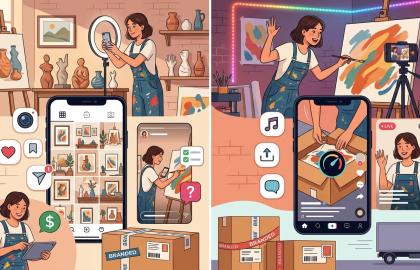
Learn how to sell your artwork through Instagram and TikTok without needing a gallery. From profile...

As AI tools reshape how art is made and shared, artists face a pivotal question: is...

Instagram has become much more than a platform for sharing photographs and building an audience. For...