What Do First-Time Art Buyers Look For?
Buying an original artwork for the first time can be both exciting and confusing. New buyers often wonder whether they should choose a piece based on personal taste, the artist’s reputation, the artwork’s potential value, or how well it fits their space.
Experienced collectors may evaluate an artwork through years of observation, but first-time art buyers usually begin with a simpler question: “Do I genuinely want to live with this piece?”
Personal connection is important, but it should not be the only consideration. The artist’s background, authenticity, condition, dimensions, price, delivery method, and return policy can all influence whether a purchase becomes a positive long-term experience.
This guide explains what first-time art buyers pay attention to and what you should consider before purchasing original art.
The first thing most new art buyers notice is how an artwork makes them feel. A painting may bring back a memory, create a sense of calm, challenge the viewer, or completely change the atmosphere of a room.
Art does not always need to match the sofa or follow current interior design trends. Because an original work may remain in your home or office for many years, choosing something that continues to hold your attention is often more meaningful than choosing a fashionable piece.
Before making a decision, ask yourself:
You do not need an academic art background to connect with an artwork. Personal response is a valid and important part of buying art.
First-time buyers often become more interested in a piece after learning about its story. Understanding the artist’s intention, inspiration, materials, and creative process can add another layer of meaning to the work.
The story behind an artwork may include:
A compelling story does not automatically make an artwork valuable, but it can deepen the relationship between the buyer and the piece. It can also help the owner explain and share the artwork with others.
When buying through an online art gallery, look for detailed descriptions rather than relying on the image alone.
Many first-time art buyers research the artist before making a purchase. This does not mean that you should only buy from famous or established names. Emerging artists can offer original perspectives, accessible prices and the opportunity to follow a creative career from an early stage.
Useful information about an artist may include:
The length of an artist’s biography alone should not determine your decision. What matters is whether the information is verifiable and whether the artist demonstrates a consistent commitment to their practice.
Buying work from an emerging artist can be rewarding, but no future increase in value is guaranteed. If you love the work independently of its investment potential, your decision is likely to remain more satisfying.
Authenticity is one of the most important factors when buying original art. First-time buyers should confirm who created the work and whether it is being sold through a reliable source.
Depending on the type of artwork, authenticity may be supported by:
A certificate of authenticity should ideally include the artist’s name, artwork title, creation date, medium, dimensions and edition number when applicable. It may also include an image of the work and the artist’s or authorised gallery’s signature.
Keep all invoices, certificates, correspondence and shipping documents after the purchase. These records may be important for insurance, resale, lending or future valuation.
Not every artwork offered for sale is a unique original. First-time buyers should understand what they are purchasing before comparing prices.
An original artwork is created directly by the artist. A painting or drawing is usually unique, although some processes may produce multiple original impressions.
Photographs, prints and certain digital or sculptural works may be produced in a declared number. Each work should normally include an edition number, such as 5/30, indicating the fifth piece in an edition of thirty.
An open edition may be printed without a predetermined limit. It can make art more accessible, but it generally does not have the same scarcity as a limited edition.
A reproduction is a copy of an existing artwork rather than a unique work created directly by the artist. It may be decorative and affordable, but it should be clearly described and priced accordingly.
There is nothing wrong with choosing a print or reproduction when it meets your purpose and budget. The important point is knowing exactly what you are buying.
First-time art buyers often assume that original art is beyond their budget. In reality, the art market includes works at many different price points, particularly when buying from independent or emerging artists.
Before starting your search, set a comfortable total budget that may include:
The price of an artwork can be influenced by its size, medium, production cost, rarity, artist recognition, exhibition history, gallery representation and market demand.
A higher price does not automatically mean that one artwork is artistically better than another. However, an unusually low or unexplained price should encourage you to ask more questions about authenticity, condition and the seller.
Buy within a budget that feels responsible. Avoid stretching your finances because of claims that a particular artwork is guaranteed to increase in value.
An artwork may appear smaller or larger online than it does in real life. Always check its exact dimensions before completing the purchase.
Consider:
One useful method is to mark the artwork’s dimensions on the wall with removable painter’s tape. This gives a clearer impression of its actual scale.
For a large wall, one substantial artwork may create a stronger focal point than several small pieces. In compact spaces, smaller works can create character without overwhelming the room.
First-time buyers frequently consider whether an artwork will match their interior. This is understandable, but perfect colour coordination is not always necessary.
An artwork can complement a room by repeating existing tones, or it can introduce contrast and become the focal point. Neutral interiors may benefit from bold colours, while visually active spaces may work better with quieter compositions.
Rather than asking only, “Does it match the room?” consider:
Art chosen solely to match current décor may feel less relevant after the space is redesigned. Personal connection and long-term enjoyment should remain central to the decision.
The physical condition of an artwork directly affects its appearance, care requirements and possible future value. When buying in person, examine the piece carefully. When purchasing online, request detailed photographs and a condition report when necessary.
Look for issues such as:
The materials used also determine how the artwork should be displayed. Works on paper may require protection from humidity and direct sunlight. Photographs and prints may need suitable glazing. Sculptures may have specific weight, handling or installation requirements.
Ask the gallery or artist for care instructions if they are not already provided.
Framing can significantly influence how an artwork looks and how well it is protected. Some works are sold framed, while others require the buyer to arrange framing separately.
Before purchasing, confirm:
For works on paper, acid-free mounts and appropriate backing materials can help reduce long-term deterioration. Valuable or delicate pieces may benefit from professional conservation framing.
Trust is essential when buying art, especially online. A professional gallery or platform should provide transparent information about the artwork, artist, price, payment, delivery and return conditions.
Before purchasing, review:
Be cautious if the seller creates unnecessary pressure, avoids questions, provides unclear documentation or promises guaranteed financial returns.
A reliable online art gallery should help buyers make informed decisions rather than rushing them into a purchase.
The buying process does not end when payment is completed. Packaging and transportation are particularly important for original artworks because poor handling can cause permanent damage.
Ask the seller:
When the artwork arrives, inspect the package before opening it. Photograph any visible damage and document the unboxing process, especially for high-value or fragile works. Contact the seller immediately if you notice a problem.
Return policies can vary between galleries, artists, commissioned works and international purchases. A buyer should understand these conditions before payment.
Check:
Clear terms protect both the buyer and the seller. If the policy is difficult to find or understand, request written clarification before purchasing.
Art trends change. Colours, styles and artists that attract attention today may be viewed differently in the future. First-time buyers often make stronger choices when they focus on personal meaning and lasting interest rather than social media popularity.
Spend time with the artwork before deciding. View it more than once, read about the artist and imagine it in your daily environment. If you continue thinking about the piece after leaving the gallery or closing the webpage, that may be an important sign.
A first artwork does not need to be the most expensive or strategically important purchase. It should be a thoughtful beginning that encourages you to look at more art and develop your own taste.
Use this checklist before completing your purchase:
First-time buyers can discover original art through:
Each option offers a different experience. Physical galleries allow buyers to examine works closely, while online galleries provide access to a wider range of artists regardless of location.
Whichever channel you choose, transparent information, reliable documentation and secure purchasing conditions should be priorities.
First-time art buyers usually focus on personal connection, artist background, authenticity, price and suitability for their space. They also need to consider condition, framing, delivery, insurance and the reliability of the seller.
The best first purchase is not necessarily the most expensive piece or the work most likely to gain value. It is an authentic, well-documented artwork that fits your budget and continues to feel meaningful over time.
Take your time, ask questions and explore different artists. Buying your first artwork is not only a transaction; it is the beginning of developing your own relationship with art.



Who is an art collector, and what do they look for before buying a piece? We...
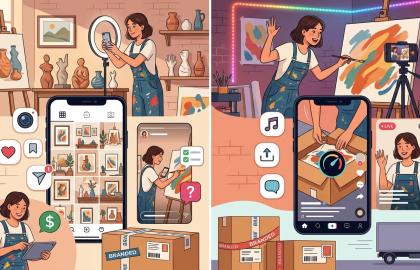
Learn how to sell your artwork through Instagram and TikTok without needing a gallery. From profile...

As AI tools reshape how art is made and shared, artists face a pivotal question: is...