Art is not only an aesthetic pursuit but also a professional career field. Today, many artists sell their works not only in galleries but also online, on social media platforms, and in digital marketplaces, generating sustainable income.
Thanks to digital transformation in particular, artists can now reach collectors anywhere in the world, participate in international exhibitions, and build their own brands.
So how do artists actually make money?
In this article, we will examine all traditional and modern income models in detail.
The most classic income model for an artist is selling the original works they create.
These can include:
The value of an artwork is determined by many factors, such as:
Artists at the beginning of their careers, in particular, can raise their prices over time by building up their references.
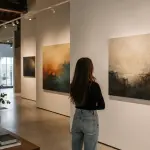
Galleries are still one of the most important sales channels for artists.
Professional galleries:
In return, they typically take a commission of 30% to 50%.
Artists who work with galleries can gain a significant advantage in achieving international visibility.
Thanks to the internet, artworks can now be sold all over the world.
Artists can showcase their works on:
The advantages of selling online:
An SEO-friendly website, in particular, helps the artist gain organic visitors through Google.
Many artists create custom works for clients.
For example:
This method is one of the most effective ways to earn a steady income.
With the advancement of technology, the digital art market has grown considerably.
Artists can earn income by licensing or directly selling works such as:
Instead of selling an original piece to a single buyer, limited edition prints can be produced.
For example:
This method allows the artist to earn income from the same work over a long period of time.
Experienced artists can turn their knowledge and experience into education.
Areas where they can earn income include:
The education sector is a very strong source of additional income for artists.
Instagram, TikTok, YouTube, and Pinterest are no longer just promotional platforms for artists.
Through these channels, artists can earn from:
In addition, social media helps artists grow their personal brand.
Artworks can be used across many industries.
For example:
By collecting royalties, artists can earn passive income for many years.
Many companies work with artists for:
These projects usually come with high budgets.
Art fairs are one of the most effective ways to meet collectors.
Advantages:
Successful artists are often able to sell a significant portion of their works during fairs.
Although the NFT market has become more selective compared to previous years, digital ownership technologies are still used in certain areas.
In particular, there are artists earning income through:
However, this model does not guarantee high earnings and can fluctuate depending on market conditions.
Today, successful artists don't just sell artwork — they also build brands.
Key elements for this include:
Artists who build a brand can earn significantly higher income in the long run.
Experienced artists or art professionals can generate additional income by offering services such as:
One of the most effective ways to reduce commission fees is to sell directly.
With a professional website, artists can:
An SEO-focused website is one of the most valuable long-term marketing investments.
Successful artists generally do not rely on a single source of income.
The most sustainable model is to combine multiple income streams, such as:
This diversity creates a stronger financial structure against economic fluctuations.
The ways artists can earn income are far more diverse than in the past. In addition to traditional gallery sales, digital platforms, online stores, social media, teaching, and licensing models can turn art-making into a sustainable career.
For long-term success, producing quality work alone is not enough. Building a strong personal brand, having a professional website, doing SEO work, and using digital marketing strategies are just as important as artistic talent. When artists bring these elements together, they can reach a wider audience and build their careers on solid foundations by diversifying their income sources.



Impressionism is a 19th-century art movement that revolutionized painting by focusing on light, atmosphere, and the...

Symbolism is an art movement that emerged in the late 19th century as a reaction against...

Expressionism is a modern art movement that emerged in the early 20th century, primarily in Germany,...