HISTORICAL CONTEXT: WHY DID IMPRESSIONISM EMERGE?
Impressionism developed in a rapidly modernizing France:
Impressionist artists responded by painting modern life as it was lived — cafés, riversides, city streets, gardens, and social gatherings.
Light is the primary subject, constantly shifting and redefining form.
Paint is applied quickly to capture movement and spontaneity.
Artists worked directly in nature rather than in studios.
Leisure, urban life, landscapes, and social scenes.
Colors are placed side by side rather than blended smoothly.
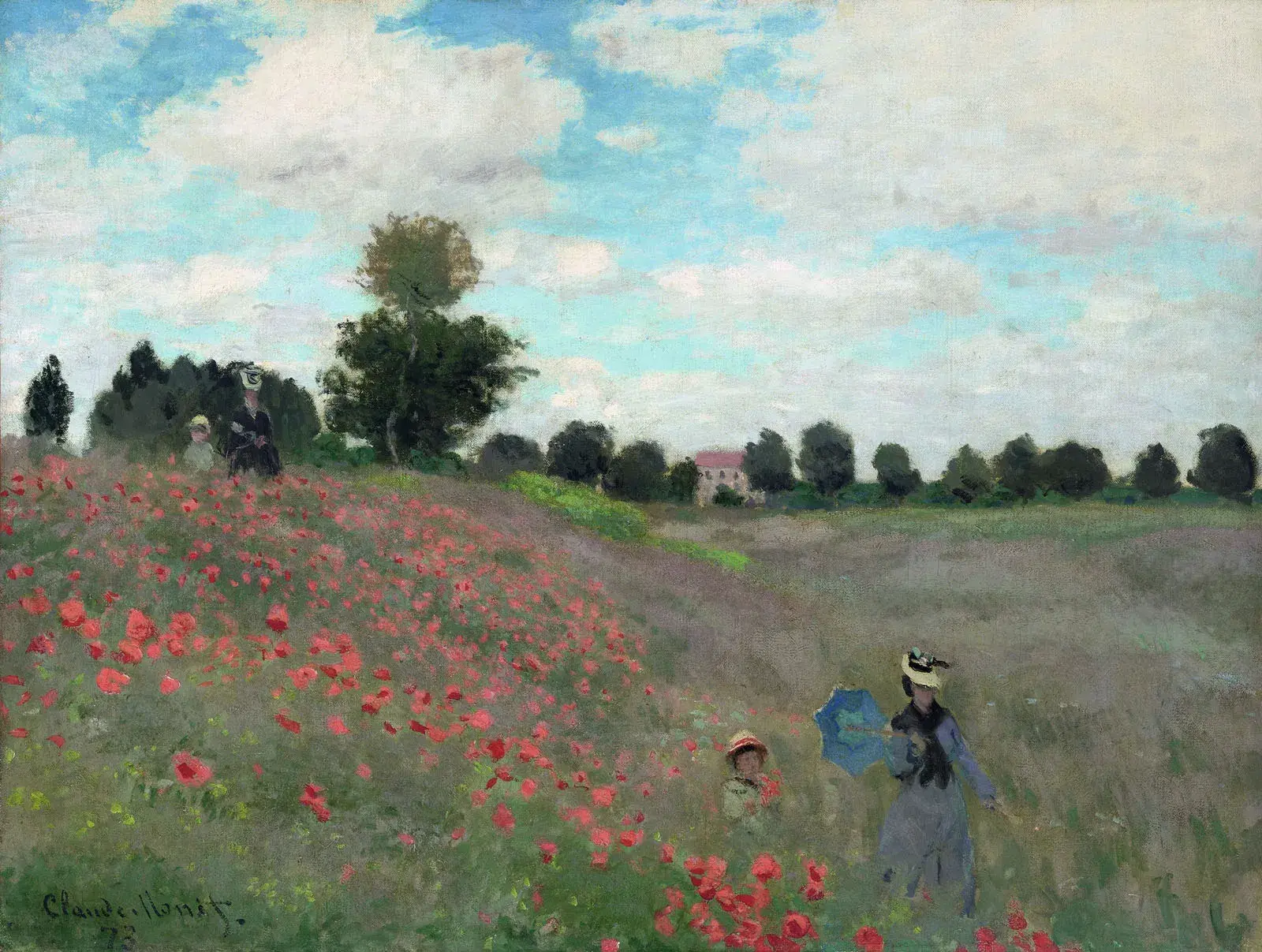
Claude Monet
Monet is the central figure of Impressionism. His serial paintings explore how light transforms the same subject across time and seasons.
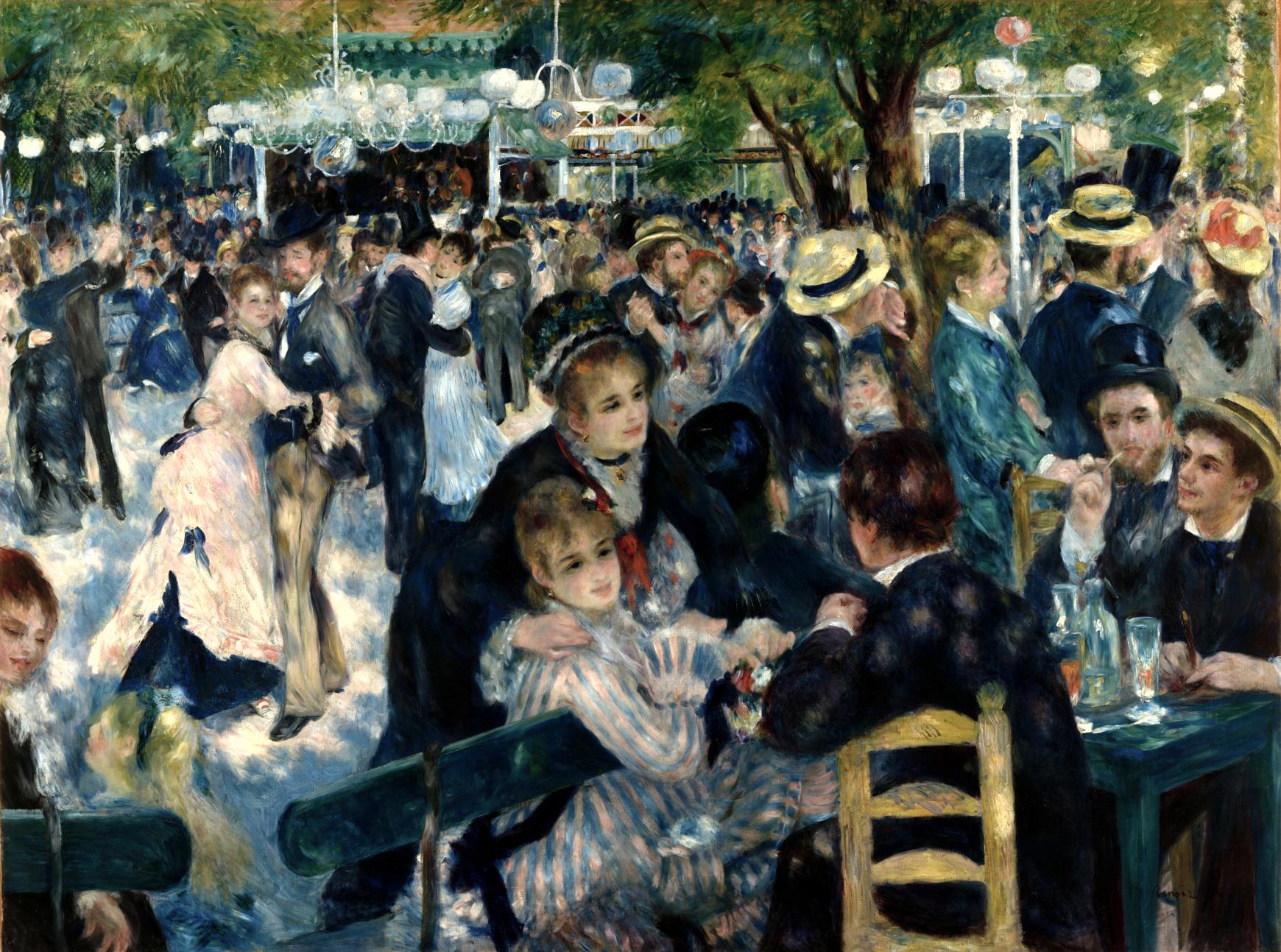
Pierre-Auguste Renoir
Renoir focused on human warmth, movement, and social interaction, bringing a lyrical quality to Impressionist painting.
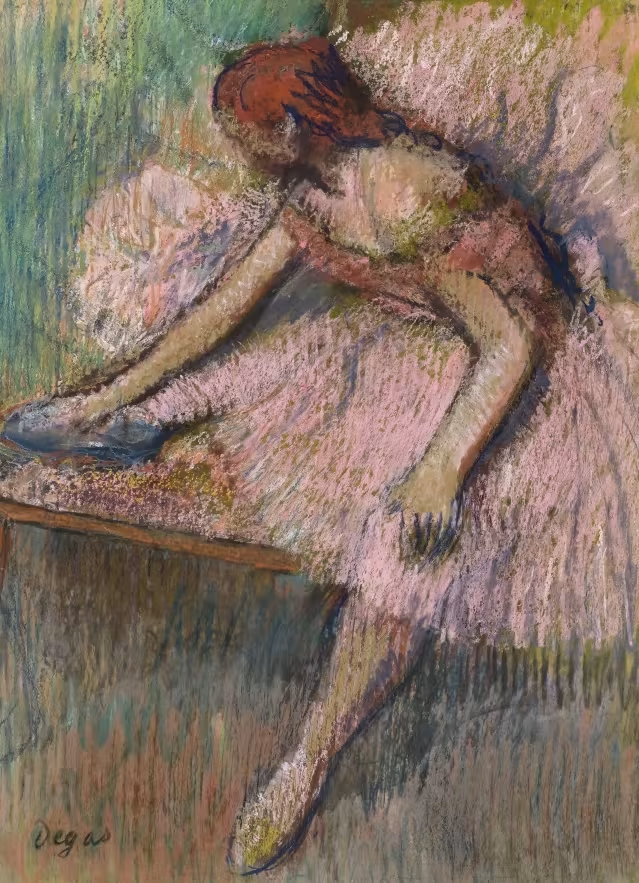
Edgar Degas
Degas explored modern life indoors — dancers, rehearsals, and theatrical scenes — emphasizing unusual viewpoints and composition.
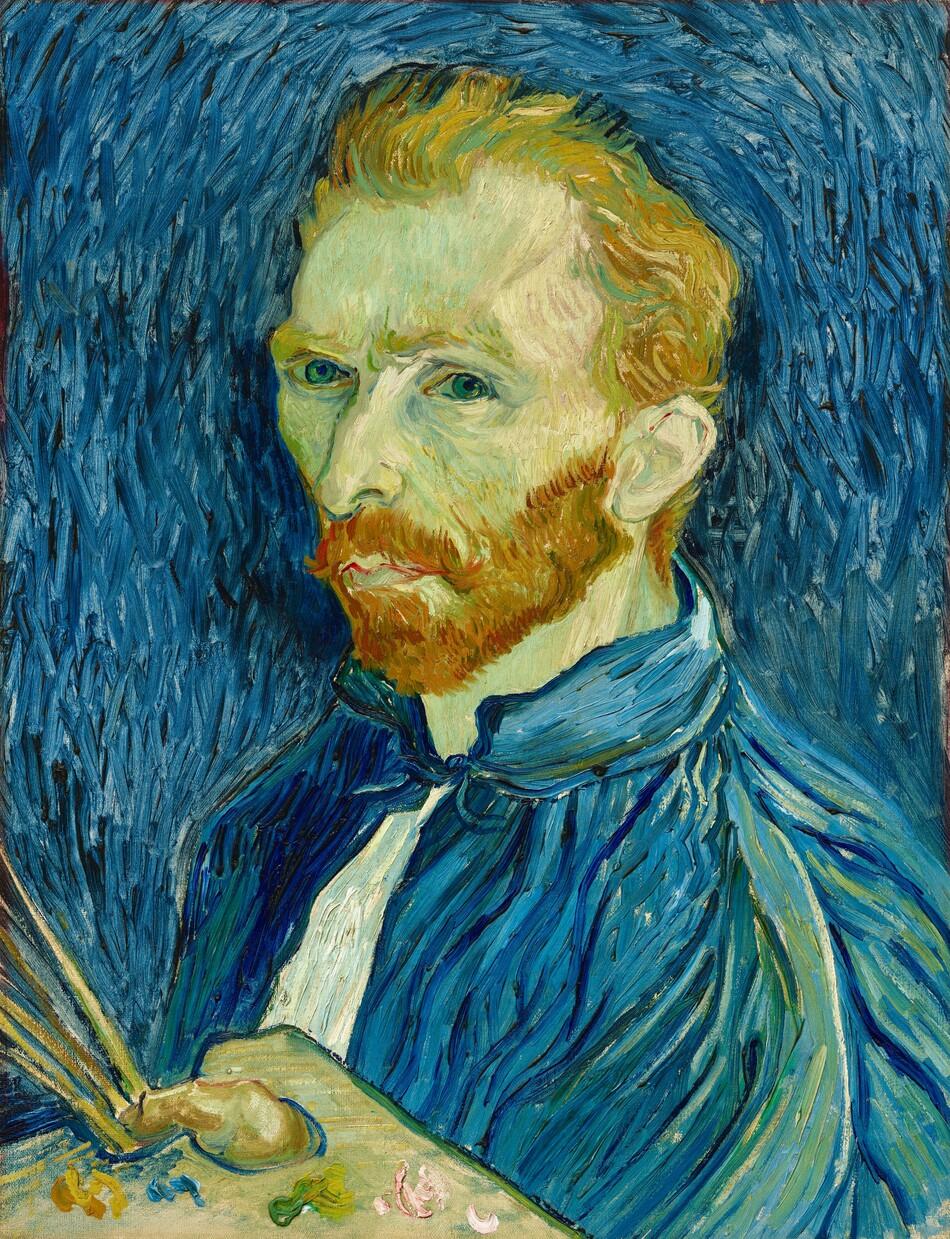
Impressionism laid the groundwork for:
Impressionism emerged in the second half of the 19th century as a quiet yet radical challenge to traditional ways of seeing and representing the world. At a time when academic painting emphasized historical grandeur, polished surfaces, and carefully staged compositions, Impressionist artists turned their attention to the fleeting and the ordinary. Their ambition was not to record events of lasting historical importance but to capture the immediacy of perception itself — the sensation of light on water, the movement of crowds, the shifting atmosphere of a landscape observed at a particular moment in time.
The movement developed in France amid profound social and technological change. Paris was being reshaped by modernization, industry, and new forms of leisure. Photography had begun to alter the relationship between art and reality, making exact representation less urgent and opening space for alternative approaches to vision. Against this backdrop, Impressionist painters rejected the controlled environment of the studio and embraced painting outdoors, directly confronting the unpredictability of natural light and weather. This practice fundamentally altered the visual language of painting.
At the core of Impressionism lies a new understanding of perception. Rather than treating objects as stable and fixed, Impressionist artists recognized that visual experience is fluid and dependent on light, movement, and context. Forms dissolve into color; outlines soften; shadows become vibrant rather than dark. Loose brushstrokes remain visible, not as a sign of incompletion but as evidence of the artist’s immediate engagement with the scene. The painting becomes a record of looking — an encounter between the eye and the world at a specific instant.
Claude Monet’s work exemplifies this approach. His repeated studies of water lilies, haystacks, and cathedral façades demonstrate that a subject has no single appearance. Instead, it exists as a series of visual impressions shaped by time, weather, and light. Monet’s paintings are not about objects themselves but about the conditions under which those objects are seen. In this sense, Impressionism represents a profound shift away from objective representation toward experiential truth.
Other Impressionist artists explored modern life from different perspectives. Pierre-Auguste Renoir emphasized human presence and social interaction, capturing the warmth and rhythm of communal leisure. Edgar Degas focused on movement and composition, often depicting figures caught in unguarded moments. His unconventional viewpoints reflect the influence of photography and suggest a world in constant motion. Together, these artists expanded the subject matter of art to include everyday experiences that had previously been considered unworthy of serious depiction.
Impressionism’s importance extends far beyond its stylistic innovations. By questioning the authority of academic conventions, the movement redefined the role of the artist as an observer of contemporary life. It introduced the idea that art could be provisional, momentary, and subjective without losing depth or significance. This shift laid the foundation for subsequent developments in modern art, including Post-Impressionism, Expressionism, and abstraction.
The legacy of Impressionism remains deeply embedded in how we understand visual experience today. Its emphasis on light, atmosphere, and perception resonates in photography, cinema, and digital imagery, all of which grapple with similar questions of immediacy and temporality. Impressionism reminds us that reality is not a static entity but a constantly changing field of sensations.
Ultimately, Impressionism represents a transformation in how art relates to the world. It teaches us that meaning can be found not only in grand narratives but also in transient moments — a reflection on water, a passing glance, a brief play of light. By embracing the impermanence of perception, Impressionism opened the door to modern art’s endless exploration of how we see, feel, and experience the present.



Relying on a single sale is no longer enough. From commissions to subscription platforms, licensing to...

Symbolism is an art movement that emerged in the late 19th century as a reaction against...

Expressionism is a modern art movement that emerged in the early 20th century, primarily in Germany,...