Why Did Pop Art Emerge?
After World War II, Western society experienced major cultural and economic shifts:
Pop Art artists embraced this new visual world, transforming everyday images into cultural commentary. Their works reflected the idea that modern identity is shaped as much by media and products as by personal experience.
Key Characteristics Of Pop Art
Comics, advertisements, movie stars, brand logos, supermarket goods.
High contrast palettes inspired by commercial design.
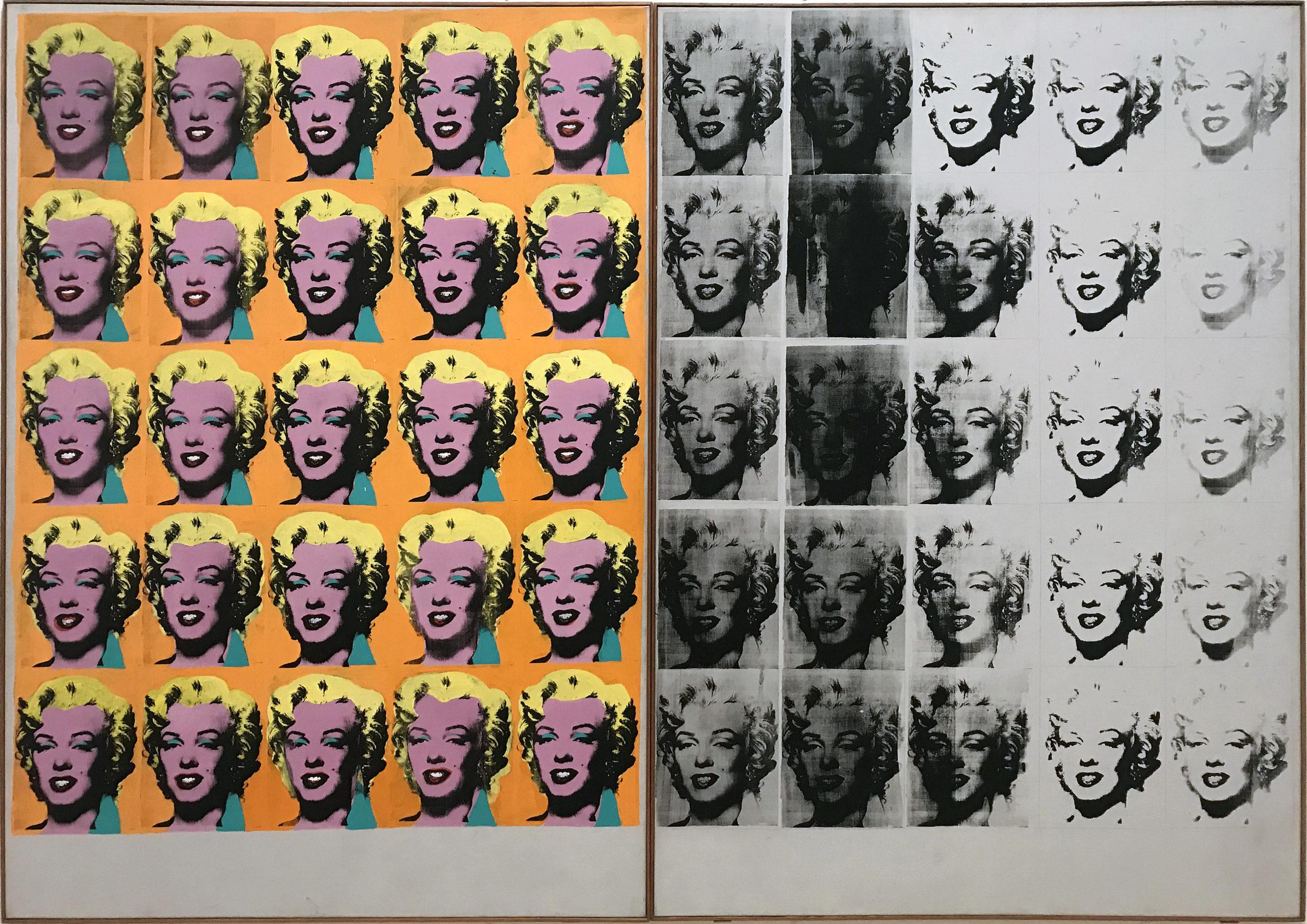
Warhol’s screen prints became symbols of mechanical image-making.
A hallmark of Roy Lichtenstein’s paintings.
Pop Art treated everyday visuals as worthy of artistic elevation.
The movement both celebrates and critiques consumer culture.
Andy Warhol: The Iconographer of Consumer Culture
Warhol transformed mass-produced imagery into art, highlighting how celebrity culture and consumer goods shape modern life.
His works question originality, fame, repetition, and the commodification of identity.
Lichtenstein adapted comic strips into monumental paintings, using Ben-Day dots and bold lines.
He challenged the notion that “low” culture was unsuitable for artistic expression.
Influence Of Pop Art On Modern Art
Pop Art reshaped visual culture and paved the way for many developments:
Pop Art made it possible for artists to use everyday imagery as a tool for social and cultural critique.
Pop Art feels more relevant than ever in today's visually saturated world:
The movement anticipated the digital age, where images circulate at high speed and often replace traditional meanings.
Pop Art emerged in the late 1950s and early 1960s as a direct response to the rapidly changing cultural landscape of the postwar world. At a time when mass media, advertising, and consumer goods were beginning to shape not only public taste but the very structure of daily life, many artists felt that traditional forms of art no longer reflected the realities of modern society. Rather than turning away from this new commercial environment, Pop Art turned toward it, positioning the imagery of popular culture—product packaging, film stars, comic strips, commercial logos, and mass-produced objects—as the raw material of artistic expression. The movement challenged the long-standing separation between high art and everyday culture, insisting that the images circulating in magazines, supermarkets, and television screens were just as meaningful, complex, and culturally significant as the subjects once reserved for classical painting.
The origins of Pop Art can be traced to the Independent Group in London, but the movement reached its full force in the United States. By the early 1960s, America had become a symbol of mass consumption, technological optimism, and unprecedented commercial expansion. Billboards, neon signs, celebrity photographs, and corporate branding permeated the visual environment. Pop Art artists recognized that these images did not merely reflect society—they actively shaped public consciousness. The movement’s central insight is that modern identity is constructed as much through the images we consume as through the experiences we live. In this sense, Pop Art is not simply an aesthetic shift; it is a cultural analysis expressed visually.
One of Pop Art’s most defining strategies was the appropriation and transformation of familiar imagery. Andy Warhol’s Campbell’s Soup cans and Marilyn Monroe portraits exemplify this approach. Warhol used commercial screen-printing processes to mimic the repetition and standardization of mass production, thereby questioning the boundaries between original and copy, artist and manufacturer, individuality and replication. His work confronted viewers with the unsettling idea that modern society produces icons in much the same way it produces commodities—through mechanical reproduction and relentless repetition. Warhol forced the viewer to consider whether the value of an image lies in its uniqueness or in its circulation.
Meanwhile, Roy Lichtenstein engaged with the visual language of comic books, translating their Ben-Day dots, bold outlines, and stylized narratives into monumental paintings. By elevating comic imagery to the status of fine art, Lichtenstein demonstrated that the distinction between “high” and “low” culture was less meaningful than the cultural elite believed. His work posed essential questions about authorship and authenticity: if a painting meticulously reproduces the appearance of a printed comic frame, where does originality reside—in the image, the style, or the conceptual gesture?
Other Pop Art figures such as Claes Oldenburg expanded the movement into sculpture. Oldenburg enlarged mundane objects—hamburgers, light switches, ice cream cones—into monumental installations that playfully exposed the absurdity of consumer desire. By shifting scale and material, he invited viewers to reflect on how everyday objects occupy both physical and psychological space in modern life. These transformations underscored how consumption shapes not only behavior but imagination.
Despite the movement’s bright colors and seemingly playful aesthetic, Pop Art carries an undercurrent of critical reflection. Beneath its superficial cheerfulness lies a deeper examination of how images create meaning in contemporary society. Pop Art acknowledges the seductiveness of consumer culture while simultaneously revealing its artificiality, its capacity to flatten individuality, and its dependence on repetition. The movement offers neither outright condemnation nor uncritical celebration; instead, it presents a layered mirror in which viewers can recognize their own cultural environment reflected back at them.
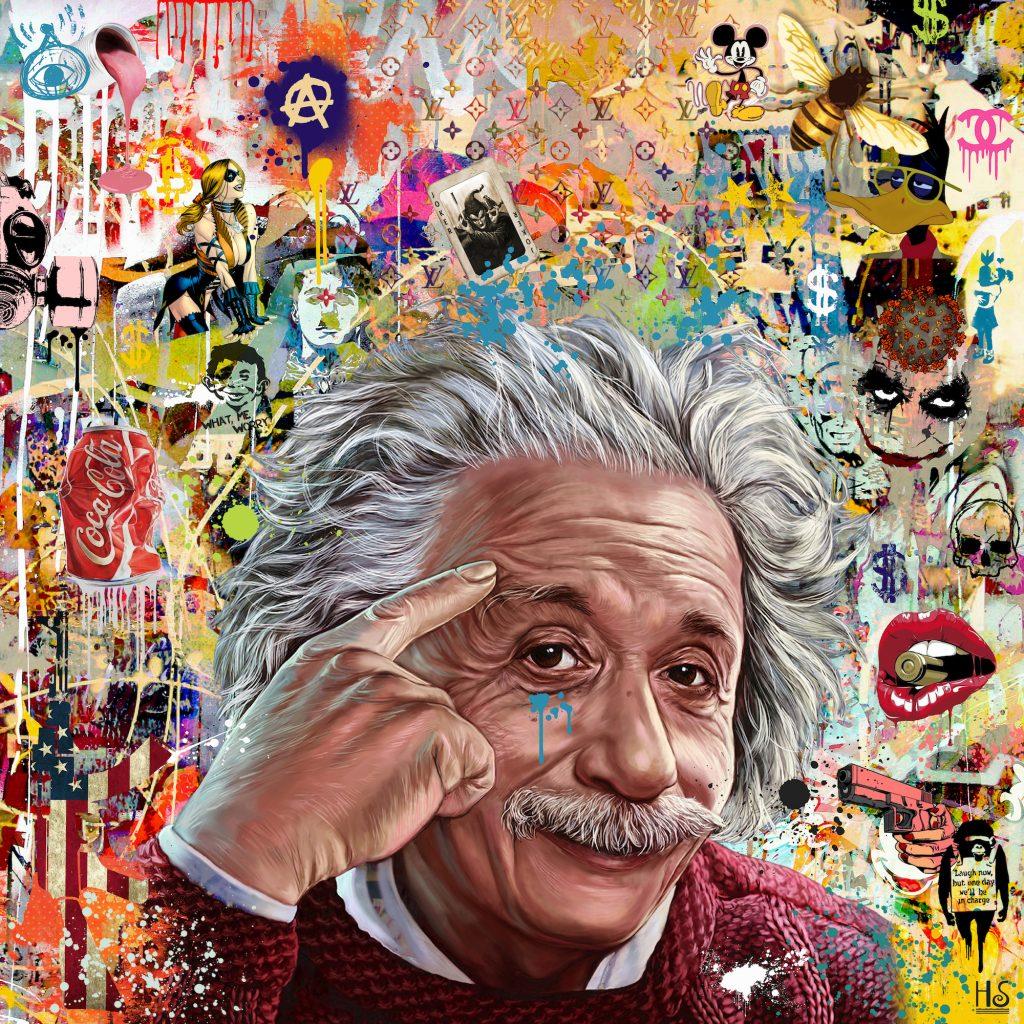
The legacy of Pop Art is far-reaching. It fundamentally altered the relationship between art and visual culture, paving the way for postmodernism, appropriation art, and the interdisciplinary practices that dominate contemporary art. Neo-Pop artists like Jeff Koons and Takashi Murakami continued Pop Art’s exploration of consumerism, though with a more global, digital sensibility. Today, in an era defined by social media, brand identity, and image saturation, the questions posed by Pop Art feel more relevant than ever. We live in a world where images circulate at unprecedented speed and where personal and collective identities are shaped by visual consumption. The concerns Pop Art raised—regarding repetition, celebrity, commodification, and the power of images—have become central to understanding 21st-century culture.
Ultimately, Pop Art endures because it recognized, earlier than any other movement, that modern life is fundamentally visual. The images we encounter daily—whether in advertising, entertainment, or digital platforms—do not simply reflect our desires; they construct them. Pop Art’s greatest contribution is its insistence that these images deserve to be examined, questioned, transformed, and reimagined. Through this lens, the movement reveals that the everyday visual world is not trivial but essential—an archive of collective dreams, anxieties, fantasies, and values. Pop Art turned contemporary imagery into a site of artistic exploration, reminding us that meaning often lies not in what is rare or extraordinary, but in what we see so frequently that we cease to notice it.



Relying on a single sale is no longer enough. From commissions to subscription platforms, licensing to...

Impressionism is a 19th-century art movement that revolutionized painting by focusing on light, atmosphere, and the...

Symbolism is an art movement that emerged in the late 19th century as a reaction against...